The Most Common Septic Problems Homeowners Face
Homeowners facing common septic problems often need replacement or repair services, and local contractors can help resolve issues efficiently and reliably.
Homeowners in the area often encounter a variety of issues with their septic systems, making it important to stay informed about common problems that can affect property value and daily living. Recognizing signs of septic trouble early can help prevent more extensive damage and costly repairs down the line. Whether it's persistent odors, slow-draining fixtures, or backups in the plumbing, understanding these issues can guide property owners toward timely solutions. Local contractors specializing in septic repair and replacement are equipped to address these common challenges, ensuring the system functions properly and efficiently.
Exploring the most frequent septic problems provides practical insights for homeowners who want to maintain a healthy and reliable system. Addressing issues like clogged pipes, failing components, or system overloads often requires professional assistance. Connecting with experienced service providers can help determine if repairs or a complete septic replacement are necessary, preventing minor concerns from escalating into major disruptions. Keep reading to learn more about these common issues and how local experts can support ongoing septic system health.
- Septic tank replacement - homeowners experiencing frequent backups or persistent odors may need a new septic tank, and local contractors can assess and replace outdated systems.
- Septic tank repair - when leaks, cracks, or clogs develop, local service providers can diagnose issues and perform necessary repairs to restore proper function.
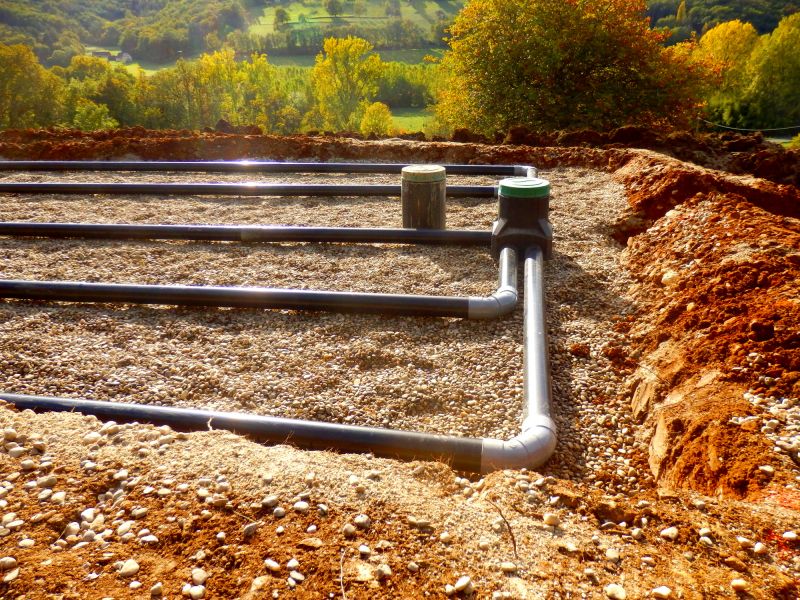
- Drain field replacement - if the drain field shows signs of failure such as pooling or slow drainage, local pros can replace or repair the area to prevent system failure.
- Pump system repairs or replacement - issues with effluent pumps or distribution boxes often require professional repair or replacement to ensure efficient system operation.
- Septic system inspection and maintenance - regular inspections help identify early signs of problems, allowing local contractors to recommend repairs or replacements before major issues arise.
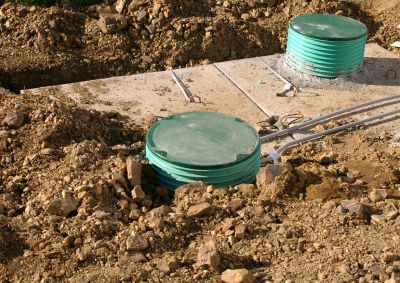
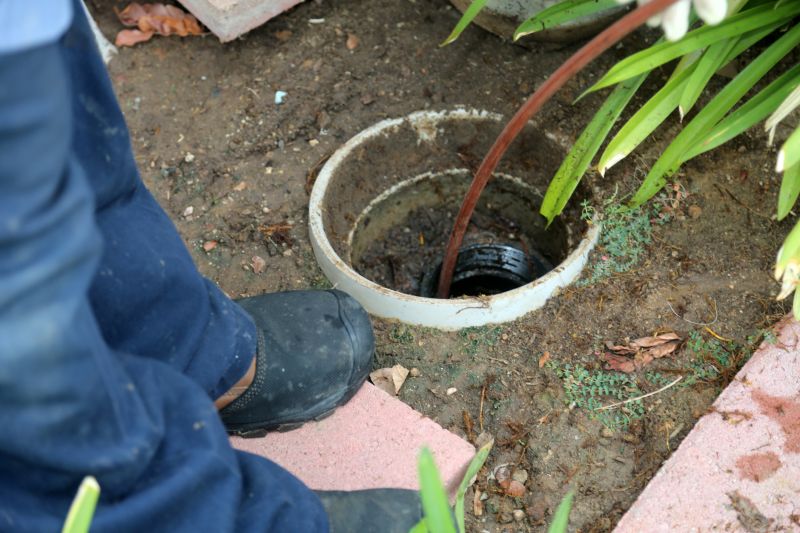
Understanding the most common septic problems homeowners face often begins with recognizing the signs of system failure or inefficiency. Many property owners search for this topic when they notice issues like foul odors around their septic tank area, slow-draining sinks and toilets, or lush, unusually green patches of grass over the drain field. These symptoms typically indicate underlying problems that may require professional inspection and repair. Homeowners may also be concerned about potential backups or overflows, which can lead to costly damage and health hazards if not addressed promptly. Service providers specializing in septic replacement or repair are equipped to diagnose these issues accurately and recommend appropriate solutions to restore proper system function.
The problems associated with septic systems often relate to the tank itself, the drain field, or the connecting pipes. Common issues include clogs caused by accumulated solids or foreign materials, which can lead to backups and slow drainage. Over time, the drain field may become saturated or damaged, preventing wastewater from dispersing properly into the soil. Other frequent concerns involve corrosion or cracking of the septic tank, which can cause leaks or contamination. These problems are typically linked to aging systems, improper maintenance, or environmental factors. Homeowners searching for solutions are often looking for ways to repair or replace specific components, ensuring the system remains reliable and compliant with local regulations.
Properties that typically encounter septic problems vary widely but often include rural homes, properties with larger or older septic systems, and those with high water usage. Rural properties may rely solely on septic systems due to the absence of municipal sewer connections, making maintenance and troubleshooting critical. Larger households or homes with multiple bathrooms tend to put more stress on septic systems, increasing the likelihood of problems. Additionally, properties with poorly designed or outdated systems are more prone to issues like backups, leaks, or drain field failures. Service providers who handle septic replacement or repair work regularly on these types of properties, helping homeowners address issues before they escalate into more significant, costly repairs.
For homeowners facing septic problems, understanding how these issues relate to their property’s specific setup is essential. Many seek out local contractors who can evaluate the system’s condition, identify the root causes of common septic problems, and recommend practical solutions. Whether it involves repairing a damaged tank, replacing a failing drain field, or performing routine maintenance to prevent future issues, local service providers play a vital role in resolving septic system challenges. Connecting with experienced contractors ensures that repairs are handled efficiently and that the system is restored to proper working order, helping homeowners maintain a safe and functional property environment.
Drain field installation - installing or repairing drain fields involves similar planning and excavation skills as septic repairs, making it a relevant project for homeowners facing septic system issues.
Septic tank pumping and cleaning - routine pumping requires knowledge of septic system components and proper use of specialized tools, aligning with septic repair and maintenance tasks.
Leach field replacement - replacing or repairing leach fields involves excavation and soil assessment skills similar to those needed for septic system repairs.
Septic tank installation - installing a new septic tank shares planning and site preparation skills with septic system repairs, often needed when problems are severe.
Pipe repair and replacement - fixing or replacing underground pipes involves excavation and plumbing skills that are also essential for septic system troubleshooting.
Soil testing and site evaluation - assessing soil conditions for septic system performance parallels the planning needed for septic repairs and replacements, ensuring proper system function.
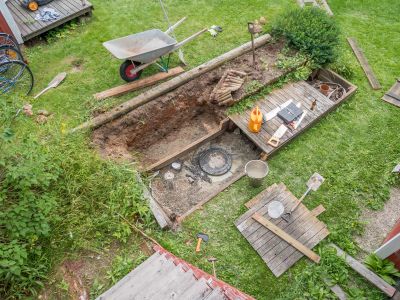
When comparing service providers for septic repair or replacement, it’s important to evaluate their experience with similar projects. Homeowners should seek out local contractors who have a proven track record of handling septic issues comparable to the most common problems faced, such as clogs, backups, or system failures. An experienced professional will understand the nuances of different septic systems and be better equipped to diagnose issues accurately and recommend effective solutions. This familiarity can lead to more efficient repairs and help ensure that the work is completed to a high standard, reducing the likelihood of recurring issues.
Clear, written expectations are essential when selecting a septic service provider. Homeowners should request detailed descriptions of the scope of work, including what repairs or replacements will entail, the materials to be used, and the estimated timeline for completion. Having this information in writing helps prevent misunderstandings and ensures that both parties are aligned on the project’s goals. It also provides a reference point throughout the process, which can be helpful if questions or concerns arise. Service providers who communicate expectations clearly demonstrate professionalism and a commitment to transparency, making it easier for homeowners to make informed decisions.
Reputable references and strong communication are key factors to consider when evaluating local contractors. Homeowners can ask for references from previous clients who had similar septic issues addressed, providing insight into the quality of work and reliability of the service provider. Additionally, choosing a contractor who maintains open, responsive communication can make the entire process smoother. Good communication ensures that questions are answered promptly, concerns are addressed, and updates are provided throughout the project. This level of engagement helps build trust and confidence that the septic repair or replacement will be handled professionally and efficiently.
Property owners often search for the most common septic problems homeowners face when they are planning practical projects around their homes and businesses. Local pros provide Septic Replacement or Repair services for everyday jobs and straightforward project options.
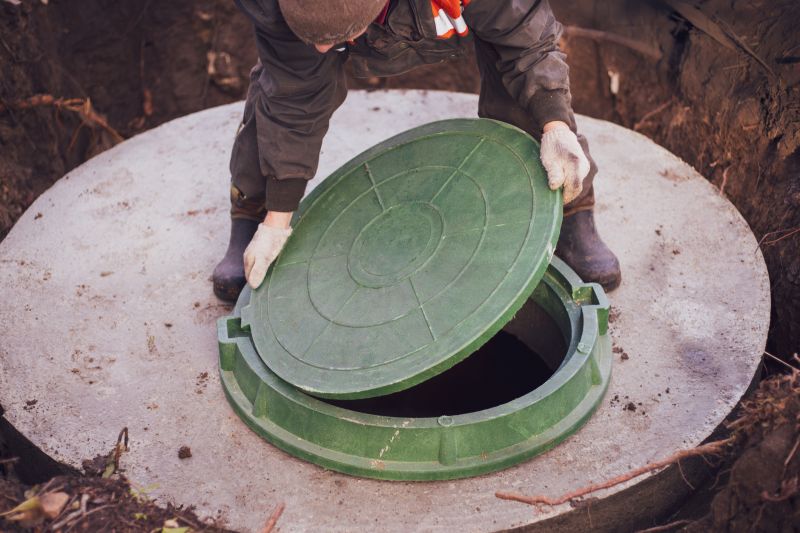
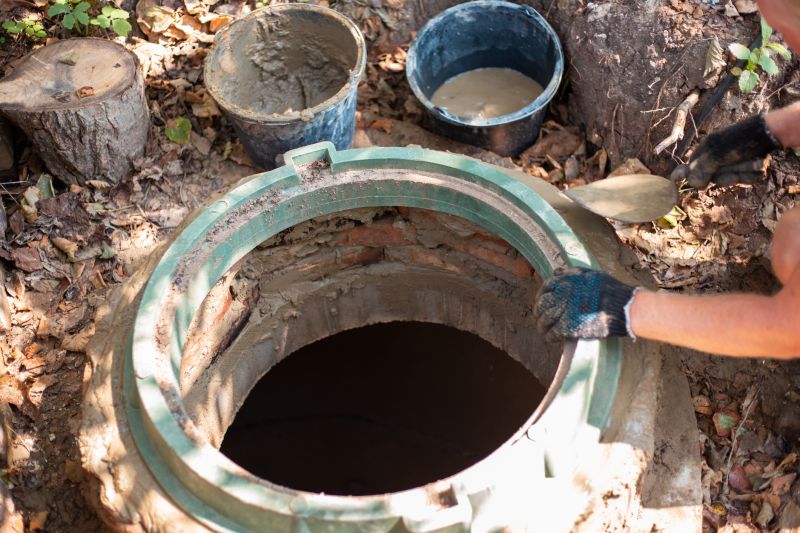
Homeowners often encounter common septic problems that can disrupt daily routines and lead to costly repairs if not addressed promptly. Issues such as slow-draining toilets, foul odors, and backups are typical signs of underlying septic system troubles. These problems may arise from clogs, overuse, or aging components within the system. When such issues occur, property owners in the area frequently look for septic repair or replacement services offered by local contractors who specialize in diagnosing and resolving these common concerns efficiently.
Understanding the most frequent septic system problems helps homeowners know when to seek professional assistance. For example, persistent wet spots or standing water near the drain field can indicate a failing system that requires expert attention. Local service providers are equipped to handle repairs or replacements, ensuring the septic system functions properly and prevents further damage. Connecting with experienced contractors can provide peace of mind, knowing that septic issues are addressed by professionals familiar with the typical challenges faced in the community.
What are common signs of septic system problems? Symptoms such as slow draining sinks, foul odors around the property, and standing water near the septic tank can indicate issues that may require repair or replacement by local service providers.
Why does my septic system back up or overflow? Backups often occur due to clogging, overuse, or failing components, and local contractors can diagnose and resolve these issues through repair or replacement services.
How can tree roots affect my septic system? Tree roots can infiltrate and damage septic lines, leading to blockages and leaks that require professional repair or pipe replacement from experienced service providers.
What causes frequent drain field failures? Drain field failures may result from soil saturation, compaction, or improper installation, and local pros can perform repairs or system upgrades to restore functionality.
When is septic tank replacement necessary? Replacement might be needed if the tank is cracked, corroded, or no longer functions properly, with local contractors capable of handling the installation of a new system.
Drain field issues - homeowners can schedule inspections with local contractors to identify and resolve drainage problems before they cause backups or failures.
Septic tank backups - routine maintenance and timely repairs by local service providers can prevent sewage backups and extend the lifespan of the system.
Poor system performance - local pros can evaluate and upgrade septic components to improve efficiency and reduce the risk of system failure.
Frequent odors or gurgling sounds - professionals can diagnose and fix underlying causes, such as blockages or improper installation, to restore proper system function.
If you are thinking about the most common septic problems homeowners face for a property, this guide is meant to help you understand this topic, the typical project types, and how different options might fit your plans.
When you are ready, you can use the quote form on this page to share a few details about your project. From there, local pros can review the basics and follow up with options that match what you have in mind.