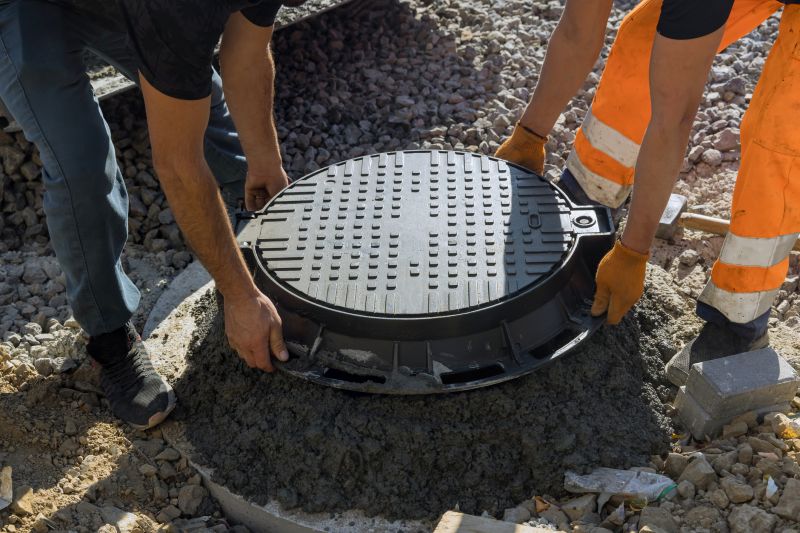
Leach Field Installation in San Antonio, TX
Leach field installation is a key component of a functioning septic system, designed to treat and disperse wastewater safely into the soil. This service typically involves preparing the property, installing underground drain lines, and ensuring proper soil absorption to meet health and environmental standards. Homeowners considering this service often want to understand the size and layout of the leach field, the materials used, and how the installation will impact their property’s landscape and drainage.
Before requesting leach field installation, property owners usually seek information about the suitability of their land, local regulations, and the necessary permits. It’s also common to inquire about the process timeline, potential disruptions, and maintenance requirements afterward. Ensuring the site is properly evaluated helps achieve a reliable installation that supports long-term septic system performance and compliance with local health codes.
Many property owners in San Antonio, TX look into Leach Field Installation for repairs, replacements, upgrades, and appearance-related improvements.
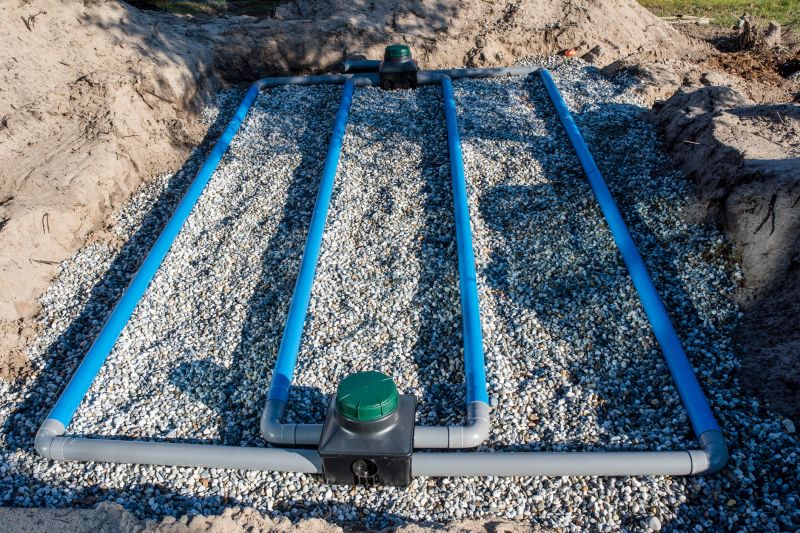
Leach Field Design And Planning
Proper design ensures effective wastewater treatment tailored to property size and soil conditions.
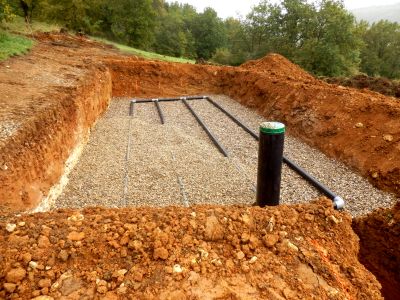
Installation And System Setup
Installing a leach field involves careful excavation and placement to ensure long-term functionality.
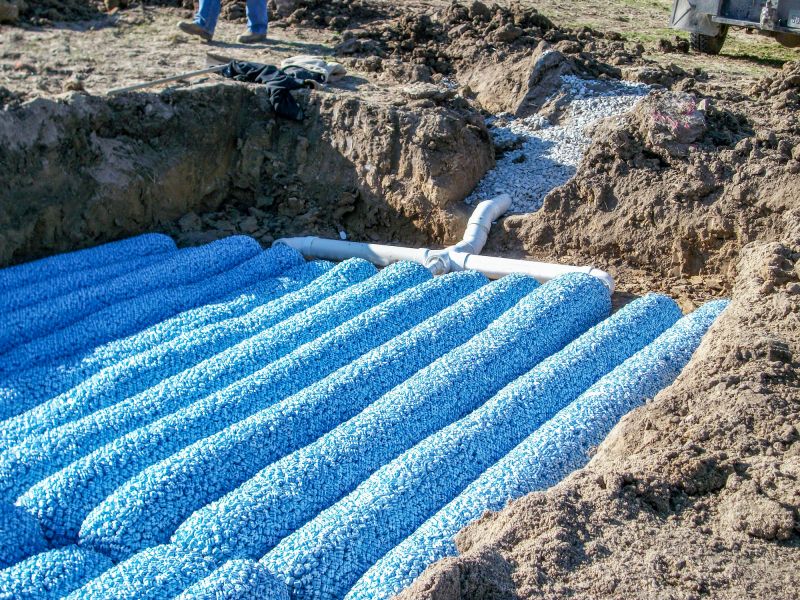
Maintenance And System Care
Regular inspection and maintenance help prevent system failures and extend the lifespan of the leach field.
Leach Field Installation in San Antonio, TX
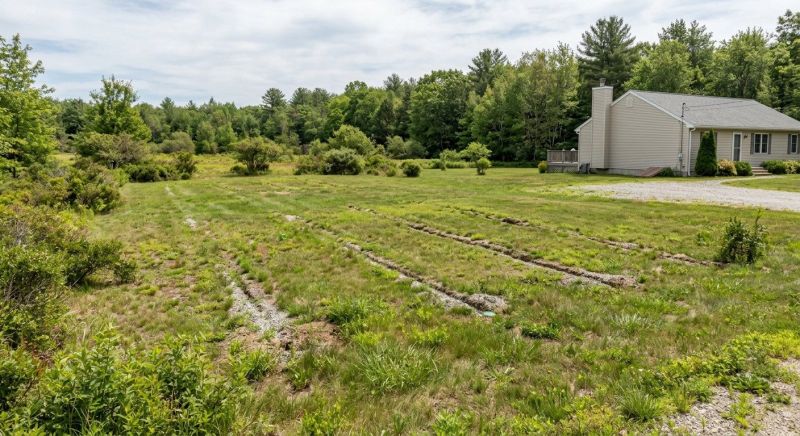
Leach field installation is a key component of a functioning septic system, designed to treat and disperse wastewater safely into the soil. This service typically involves preparing the property, installing underground drain lines, and ensuring proper soil absorption to meet health and environmental standards. Homeowners considering this service often want to understand the size and layout of the leach field, the materials used, and how the installation will impact their property’s landscape and drainage.
Before requesting leach field installation, property owners usually seek information about the suitability of their land, local regulations, and the necessary permits. It’s also common to inquire about the process timeline, potential disruptions, and maintenance requirements afterward. Ensuring the site is properly evaluated helps achieve a reliable installation that supports long-term septic system performance and compliance with local health codes.
Many property owners in San Antonio, TX look into Leach Field Installation for repairs, replacements, upgrades, and appearance-related improvements.
Common Leach Field Installation Jobs
Leach Field Installation - Proper installation ensures effective treatment of household wastewater.
Septic System Setup - Installing a new leach field supports reliable septic system operation.
Drain Field Construction - Building a drain field prevents system backups and soil contamination.
Site Assessment Services - Evaluations identify suitable locations for leach field installation.
Leach Field Replacement - Upgrading an existing system improves function and prevents failures.
Maintenance Planning - Proper setup reduces long-term maintenance needs and system issues.
Leach Field Installation Questions
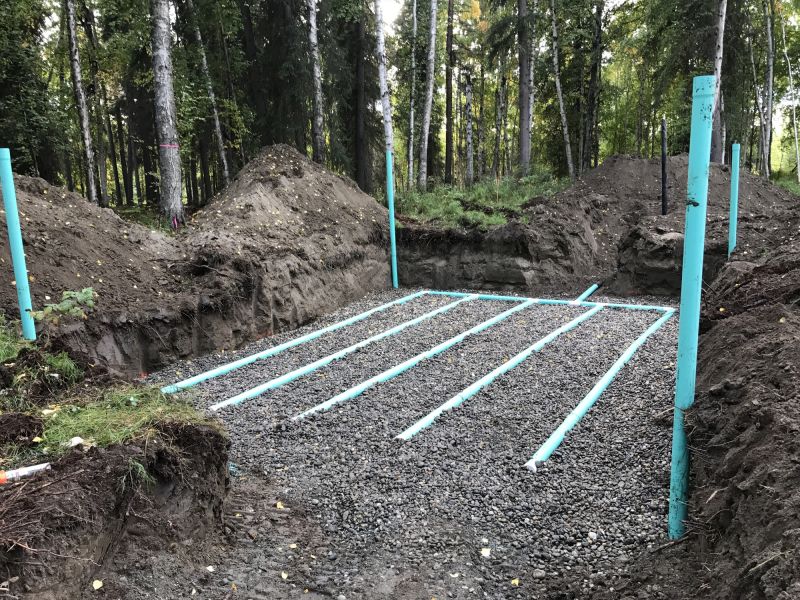
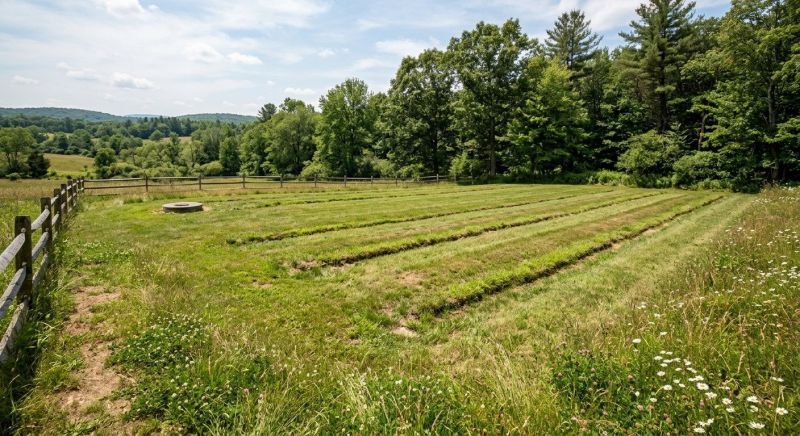
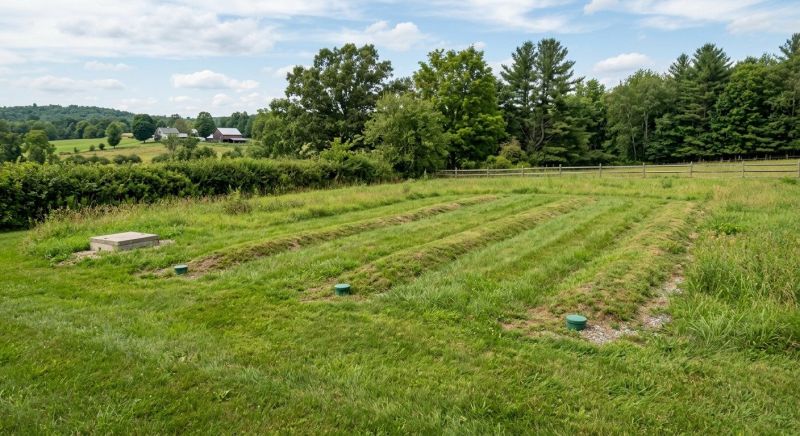
What is a leach field? A leach field is an underground system that disperses treated wastewater from a septic tank into the soil for natural filtration.
What factors influence leach field installation? Soil type, property size, and local regulations are key factors in planning a leach field installation.
How long does a leach field last? With proper maintenance, a leach field can function effectively for 20 to 30 years.
What signs indicate a leach field may need replacement? Signs include persistent odors, pooling water, or slow drains in the property area.
Request Leach Field Installation in San Antonio, TX
Use the quote form on this page to share the basics of your project and request more information for the type of work you need.