Septic System Relocation in Denver, CO
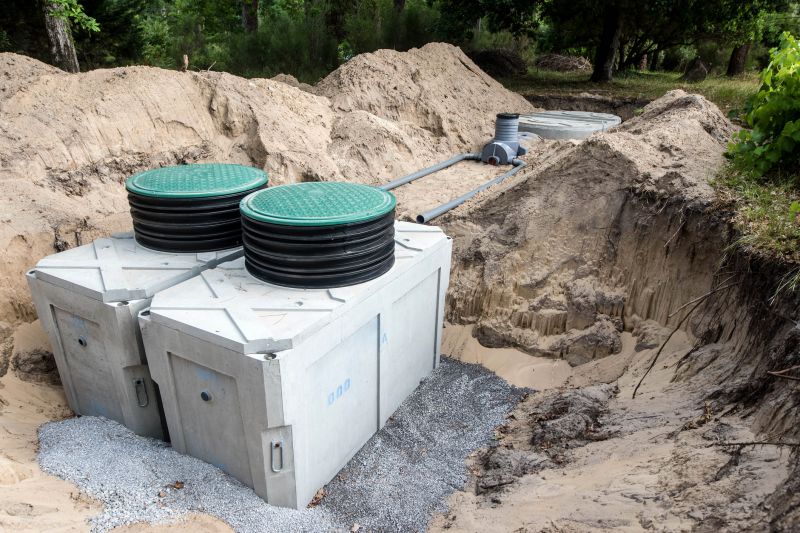
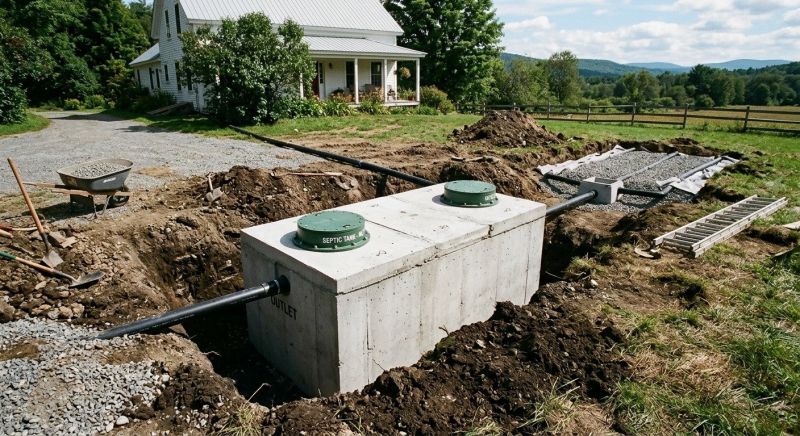
Septic system relocation services involve moving an existing septic system to a different area of a property, often to accommodate new construction, landscaping changes, or property improvements. These projects typically include assessing the current system, planning a suitable new location, excavating, and installing the system in compliance with local regulations. Property owners considering a septic system relocation should understand the importance of proper site evaluation, soil testing, and permitting requirements to ensure the new installation functions effectively and meets health and safety standards.
Before requesting septic system relocation, homeowners usually want to know about the feasibility of moving the system, potential impacts on property use, and the necessary steps involved. It’s also helpful to understand the scope of work, including excavation, connection to existing plumbing, and site restoration. Clarifying these details can help property owners plan for any disruptions and ensure the new system location supports long-term functionality and compliance with local codes.
Many property owners in Denver, CO look into Septic System Relocation for repairs, replacements, upgrades, and appearance-related improvements.
Septic System Relocation Planning
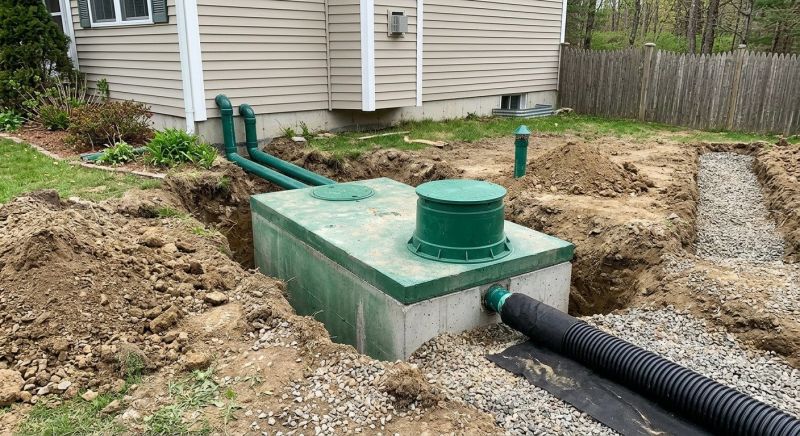
Assessing site conditions to determine the best new location for the septic system.
Septic System Moving Process
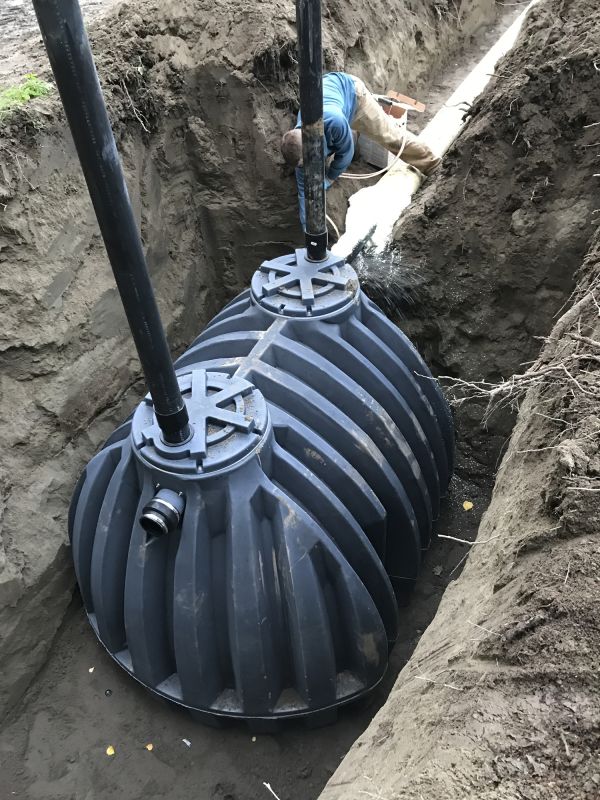
Safely disconnecting and transporting the existing system to a new site on the property.
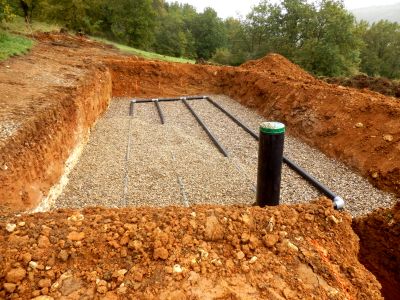
Post-Relocation System Setup
Installing and testing the septic system to ensure proper functionality after relocation.
Septic System Relocation in Denver, CO
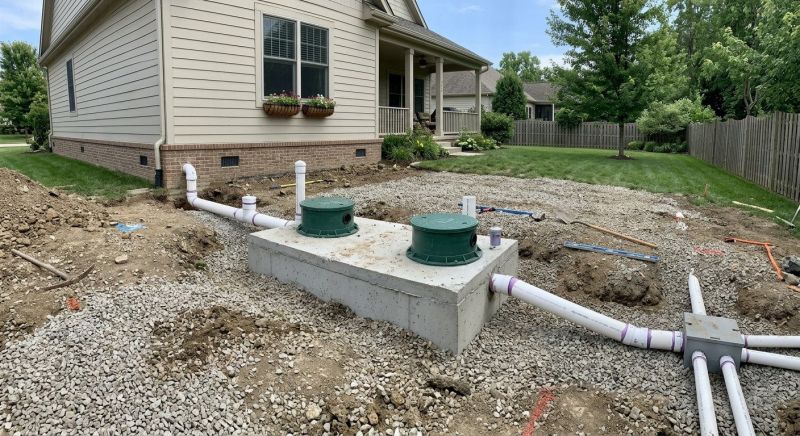
Septic system relocation services involve moving an existing septic system to a different area of a property, often to accommodate new construction, landscaping changes, or property improvements. These projects typically include assessing the current system, planning a suitable new location, excavating, and installing the system in compliance with local regulations. Property owners considering a septic system relocation should understand the importance of proper site evaluation, soil testing, and permitting requirements to ensure the new installation functions effectively and meets health and safety standards.
Before requesting septic system relocation, homeowners usually want to know about the feasibility of moving the system, potential impacts on property use, and the necessary steps involved. It’s also helpful to understand the scope of work, including excavation, connection to existing plumbing, and site restoration. Clarifying these details can help property owners plan for any disruptions and ensure the new system location supports long-term functionality and compliance with local codes.
Many property owners in Denver, CO look into Septic System Relocation for repairs, replacements, upgrades, and appearance-related improvements.
Common Septic System Relocation Jobs
Septic System Relocation - Services include moving existing septic systems to accommodate property changes.
Property Expansion Projects - Relocation helps when adding new structures or expanding outdoor spaces.
Drainage Improvements - Moving septic systems can improve overall site drainage and prevent future issues.
Site Reconfiguration - Adjusts septic placement to meet updated zoning or land use requirements.
Landscape Alterations - Relocation supports landscaping projects that impact existing septic locations.
Property Development - Facilitates septic system adjustments during new construction or land subdivision.
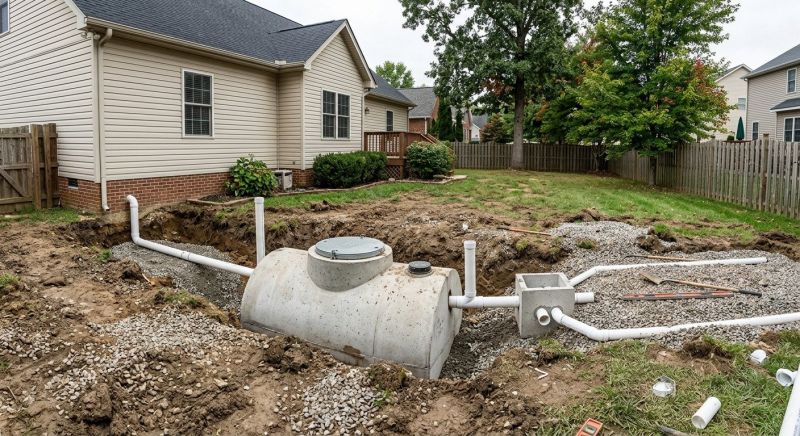
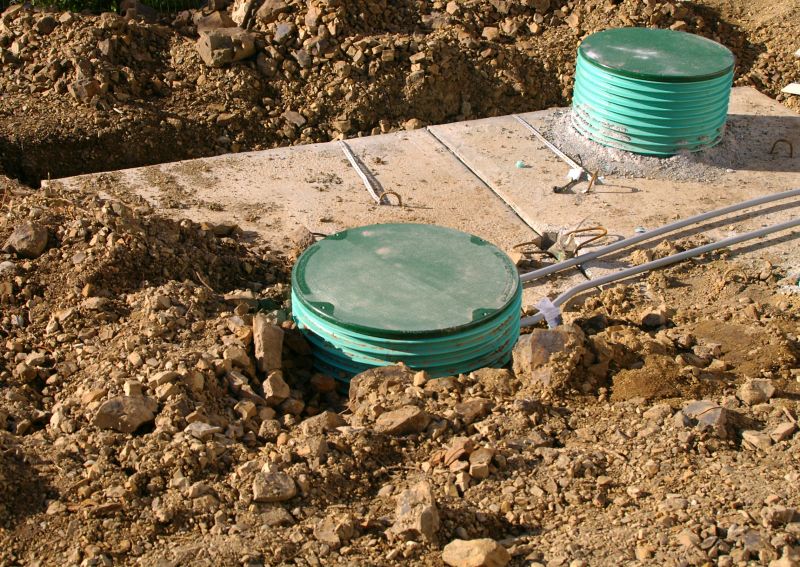
Septic System Relocation Questions
What is septic system relocation? It involves moving an existing septic system to a new location on a property to accommodate renovations or new construction.
When is septic system relocation necessary? It is needed when the current system is in the way of building projects or if it no longer functions properly in its current location.
What should property owners consider before relocating a septic system? It’s important to evaluate site conditions, accessibility, and the distance from structures to ensure proper installation and compliance.
How does the relocation process typically work? It includes site assessment, planning the new system location, excavation, and installing the components in the new site.
Request Septic System Relocation in Denver, CO
Use the quote form on this page to share the basics of your project and request more information for the type of work you need.